


What is Hydroxychloroquine and how does it work?
Hydroxychloroquine sulfate is a specialized medication belonging to the aminoquinoline drug class. While historically recognized for its efficacy in managing autoimmune conditions such as rheumatoid arthritis and systemic lupus erythematosus, its pharmacological profile has been extensively studied in the context of viral prophylaxis and therapeutic research, particularly concerning COVID-19. In 2026, clinical understanding of its role in modulating cellular environments remains a cornerstone of specialized pharmacotherapy. Unlike generic Antibiotics which target bacterial cell walls, hydroxychloroquine functions by altering the internal pH of endosomes within cells. This process potentially interferes with the ability of certain viruses to enter or release their genetic material within the host cell, though its efficacy in treating acute viral infections remains a subject of ongoing clinical scrutiny and specific medical guidance.
The mechanism of action involves the accumulation of the drug within the lysosomes of cells, leading to an increase in lysosomal pH. This increase in pH may inhibit the acidification required for viral fusion and subsequent replication. Specifically, it is theorized to disrupt the endosomal acidification necessary for the entry of certain pathogens. In terms of pharmacokinetics, hydroxychloroquine exhibits a remarkably long elimination half-life, often measured between 40 to 50 days. This long half-life means that the drug remains present in the systemic circulation for an extended period, even after the cessation of daily dosing. The onset of action for its anti-inflammatory effects can take several weeks of consistent dosing to reach steady-state therapeutic levels in the plasma, making it unsuitable for the immediate treatment of acute, rapidly progressing infections without medical supervision.
When compared to its chemical cousin, chloroquine, hydroxychloroquine is generally considered to have a more favorable safety profile, particularly regarding retinal toxicity. While both drugs act as lysosomotropic agents, hydroxychloroquine's ability to accumulate in tissues is slightly different, often resulting in a lower incidence of long-term ocular side effects. In comparison to other antimalarial agents, the 200 mg dose of hydroxychloroquine sulfate is specifically calibrated to maintain therapeutic concentrations in the blood while minimizing the risk of cardiac conduction abnormalities. It is essential to distinguish this from other medications like Prozac Generic, which operates on entirely different neurochemical pathways involving serotonin reuptake, rather than the lysosomal mechanisms used by aminoquinolines.
Dosage and how to use it
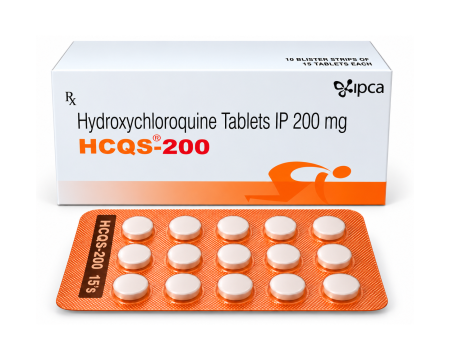
The standard administration of Hydroxychloroquine Sulfate 200 mg is typically prescribed as a single 200 mg comprimé taken once or twice daily, depending on the specific clinical indication and the patient's metabolic response. For chronic conditions like autoimmune disorders, the goal is to maintain a consistent plasma concentration. For the management of specific viral concerns, a physician might suggest a loading dose, though this must be strictly monitored. It is highly recommended to take the medication with food or a large glass of milk to minimize the potential for gastrointestinal upset, which is a common side effect of the drug's interaction with the stomach lining. Patients should avoid consuming significant amounts of alcohol while on this medication, as alcohol can exacerbate the sedative effects or increase the risk of gastrointestinal irritation.
If a dose is missed, the patient should take it as soon as they remember, unless it is almost time for the next scheduled dose. Never double the dose to make up for a missed one; taking 400 mg at once could significantly increase the risk of QT interval prolongation, a serious cardiac event. Consistency is the most critical factor in maintaining the steady-state concentration required for the drug to be effective. For those managing complex health profiles, we recommend utilizing Monitoring Heart Health: Essential Medical Equipment for Home to keep an eye on vital signs, especially if a physician has expressed concerns regarding cardiac rhythm during the course of hydroxychloroquine therapy.
Benefits of the generic
Choosing the generic Hydroxychloroquine Sulfate 200 mg offers significant economic advantages without compromising the chemical integrity of the medication. In 2026, the availability of high-quality generic alternatives allows patients to achieve a cost saving of approximately 35% to 50% compared to expensive brand-name formulations. Because the active ingredient, Hydroxychloroquine Sulfate, is identical in its molecular structure, bioavailability, and therapeutic effect, the generic version provides the same efficacy for managing both autoimmune symptoms and other clinical indications. This ensures that patients can adhere to their long-term treatment regimens without the financial strain that often leads to non-compliance.
Our generic supply meets all EMA (European Medicines Agency) standards and complies with rigorous national pharmaceutical regulations in France. Every batch of 200 mg tablets undergoes strict quality control to ensure that the dissolution rate and purity match the innovator's specifications. By choosing the generic, you are opting for a product that has been clinically proven to perform with the same precision as the brand name, ensuring that your treatment plan remains both effective and affordable. This is particularly vital for long-term therapies where daily adherence is necessary to prevent disease flares.
Side effects and precautions
While hydroxychloroquine is widely used, it is not without potential side effects. Common side effects may include nausea, vomiting, diarrhea, and abdominal cramps. Some patients may also experience skin rashes or itching. While these are often mild, they should be reported to a healthcare professional. More serious, though rare, side effects include retinal toxicity (damage to the eye's retina) and cardiomyopathy (weakening of the heart muscle). Because of the risk of ocular changes, regular ophthalmologic examinations are often required for patients on long-term therapy. Always consult your doctor before use and during your course of treatment.
There are several contraindications to consider. Patients with a known hypersensitivity to any aminoquinoline should avoid this medication. Furthermore, individuals with pre-existing cardiac conditions, particularly those with a history of long QT syndrome, must exercise extreme caution, as the drug may increase the risk of life-threatening arrhythmias. It is also contraindicated in patients with G6PD deficiency, as this can lead to hemolytic anemia. If you experience palpitations, dizziness, or fainting, seek medical attention immediately. Monitoring is essential, particularly for those who may be taking other medications that interact with the CYP450 enzyme system in the liver.
Buying Hydroxychloroquine online at Pharmacie Cornichefleurie
Ordering your Hydroxychloroquine Sulfate 200 mg from Pharmacie Cornichefleurie ensures a seamless and secure experience. We prioritize your privacy and the security of your medical data, utilizing advanced end-to-end encryption for all transactions. Our online pharmacy is fully licensed and compliant with French and European pharmaceutical laws, providing you with peace of mind that your medication is authentic and stored under optimal conditions. We offer discreet packaging to ensure your privacy is maintained from our warehouse to your doorstep.
Our checkout process is streamlined for efficiency, offering various secure payment methods. Whether you are looking for individual prescriptions or exploring our Brand Trial Packs for different medical needs, our team of experts is available to assist you. We provide real-time tracking for all shipments, ensuring you know exactly when your medication will arrive. Trust Pharmacie Cornichefleurie for reliable, professional, and fast delivery of your essential medications across France and beyond in 2026.
Delivery times and shipping costs
| City | Delivery time | Shipping method | Shipping cost |
|---|---|---|---|
| Paris | 2-5 jours ouvrés | Colissimo / Chronopost | 4,95 € (offert dès 50 €) |
| Marseille | 2-5 jours ouvrés | Colissimo / Chronopost | 4,95 € (offert dès 50 €) |
| Lyon | 2-5 jours ouvrés | Colissimo / Chronopost | 4,95 € (offert dès 50 €) |
| Toulouse | 2-5 jours ouvrés | Colissimo / Chronopost | 4,95 € (offert dès 50 €) |
| Nice | 2-5 jours ouvrés | Colissimo / Chronopost | 4,95 € (offert dès 50 €) |
| Nantes | 2-5 jours ouvrés | Colissimo / Chronopost | 4,95 € (offert dès 50 €) |
| Strasbourg | 2-5 jours ouvrés | Colissimo / Chronopost | 4,95 € (offert dès 50 €) |
| Bordeaux | 2-5 jours ouvrés | Colissimo / Chronopost | 4,95 € (offert dès 50 €) |